
Lavender Love
The Fragrance, Flavor, & Function of this Timeless Plant
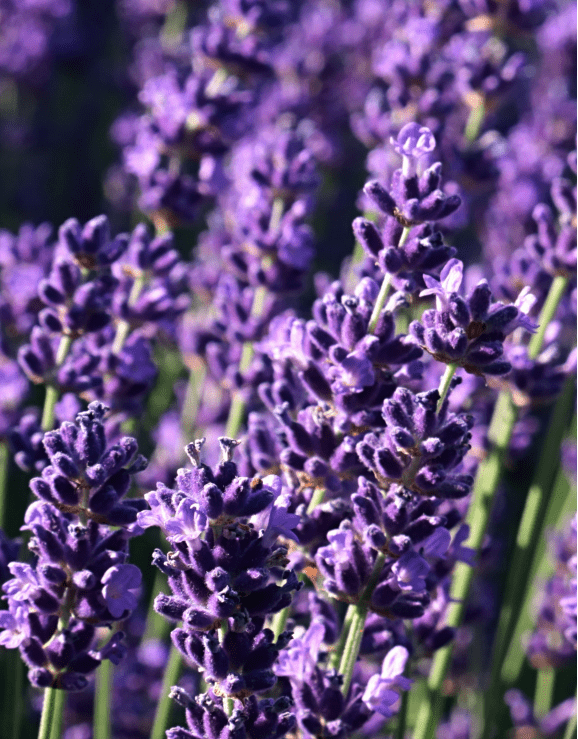
Lavender, with its delicate purple flowers and soothing fragrance, has been cherished for centuries.Native to the Mediterranean region, this versatile herb has traveled the globe, earning a place in medicine, cuisine, and beauty rituals. Ancient Egyptians used lavender in mummification, while Romans added it to bathwater and oils for relaxation and healing. During the Middle Ages, it was scattered on floors in castles to repel pests and purify the air. Today, lavender remains an enduring symbol of serenity and utility.
Production from Europe to the US
The expansive fields of Provence, France, are perhaps the quintessential representation of lavender farming. France is renowned for producing some of the world’s finest lavender, with Provence's warm, dry climate offering perfect growing conditions. Farmers here cultivate Lavandula anguvstifolia, or true lavender, known for its sweet fragrance and essential oil.
In the United States, lavender flourishes in states such as Washington, Oregon, and California. The Lavender Festival in Sequim, Washington, honors the herb with fields available for viewing and
products crafted from local harvests. Lavender farms in Texas and Colorado are also gaining popularity, integrating this Mediterranean plant into the American landscape.

Medicinal Uses
Lavender’s soothing properties are well-known. In aromatherapy, its essential oil is used to ease
anxiety, enhance sleep, and relieve headaches. Research indicates lavender’s ability to foster
relaxation is linked to its effects on the nervous system. Lavender tea, made from the dried flowers, is another favored remedy. Drinking a warm cup can calm digestive troubles, reduce stress, and help with insomnia. Some massage therapists also use lavender oil in treatments to boost relaxation and reduce muscle tension.
Culinary Delights
In cooking, lavender serves as a distinctive culinary herb, offering floral and slightly sweet flavors. A
key component in herbs de Provence, lavender pairs excellently with rosemary, thyme, and marjoram
to season meats, vegetables, and breads. Lavender-infused syrups can enhance desserts, cocktails, and
lemonade with a fragrant touch. Lavender’s versatility extends to savory dishes, where it complements
roasted lamb, chicken, and even seafood. For adventurous cooks, using lavender in small amounts can add complexity without overpowering the taste.
Growing in Texas
Lavender thrives in Texas due to its preference for warm, sunny conditions and well-drained soil. The Hill Country, particularly, has become a center for lavender farms, thanks to its rocky limestone soil and Mediterranean-like climate. To successfully grow lavender in Texas, choose varieties like Spanish lavender or Provence lavender, which are more tolerant of heat and humidity.
Plant lavender in full sun and sandy, alkaline soil with good drainage. Raised beds or pots are ideal to avoid root rot from Texas’s occasional heavy rains. Once established, lavender requires minimal water, making it a drought-resistant option for Texas gardens. Prune after flowering to encourage bushier growth and better blooms in future years.
Bringing Lavender into Your Life
Lavender is more than just a beautiful plant; it’s a gateway to relaxation and creativity. Whether you plant it in your garden, diffuse its essential oil, or use it in your cooking, lavender provides a sense of calm and inspiration. Lavender sachets refresh drawers, while a bouquet on your nightstand can improve sleep. Add lavender to your life, and you’ll find yourself more connected to its timeless allure.

Lavender Latte
Prep: 5 min. | Cook 15 min.
Total 20 min. | Yield 1 cup syrup
Ingredients
1 cup water, 2 Tbsp. of dried lavender flowers, ½ cup raw honey, 1 shot of espresso or 1 small, cup strong-brewed coffee, ¾ cup almond milk (or non-dairy milk of choice)
Instructions
Bring 1 cup water and 2 Tbsp. of lavender flowers to a boil in a small saucepan. Add ½ cup raw honey, then reduce heat and simmer for 15 minutes. Allow to cool, then strain the syrup and store in a container in the fridge (will keep for 10 days). Add 1 Tbsp. of lavender syrup to a shot of espresso or brewed coffee and top with steamed & whipped milk.


Comments